

Every support worker I’ve met from Ahsan Care has been outstanding—polite, professional and genuinely caring. I wouldn’t go anywhere else.
Jaspreet S., Melbourne CBD
Registered NDIS Provider • Flexible support • Melbourne VIC + Sydney NSW
If you need NDIS Assist Personal Activities across Melbourne and Sydney, we provide practical, respectful help with everyday personal routines so your day runs more smoothly and you stay in control of how support looks at home and out in the community.
What you can expect
Not for you if
Ready to talk through your needs
Good personal activities support isn’t just “help with tasks”. Done properly, it protects dignity, builds confidence, and reduces day-to-day friction by matching support to your routines, environment, and comfort levels. The right approach can also change over time: what starts as hands-on help may shift toward coaching and prompts as you build skills.
Personal Routine Support That Respects Your Preferences
We can assist with daily personal activities in a way that fits your pace and privacy, including support with hygiene routines, getting dressed, meal-time set-up, mobility support around the home, and prompts for daily structure. Where suitable, we focus on consistency so you’re not constantly re-explaining how you like things done.
Practical In Home Help That Links With Other Supports
Personal activities often connect to other supports in your plan. For example, if daily routines are hard because the home environment is tiring to maintain, your plan may also include help with cleaning and laundry.
For related day-to-day supports, see NDIS household tasks support.
When Nursing Support May Be Part Of The Picture
If you have complex health needs, personal activities support may run alongside nursing supports (where funded and appropriate). We’ll help you keep boundaries clear so everyone knows what’s within scope.
For nursing-related services, see NDIS nursing care.

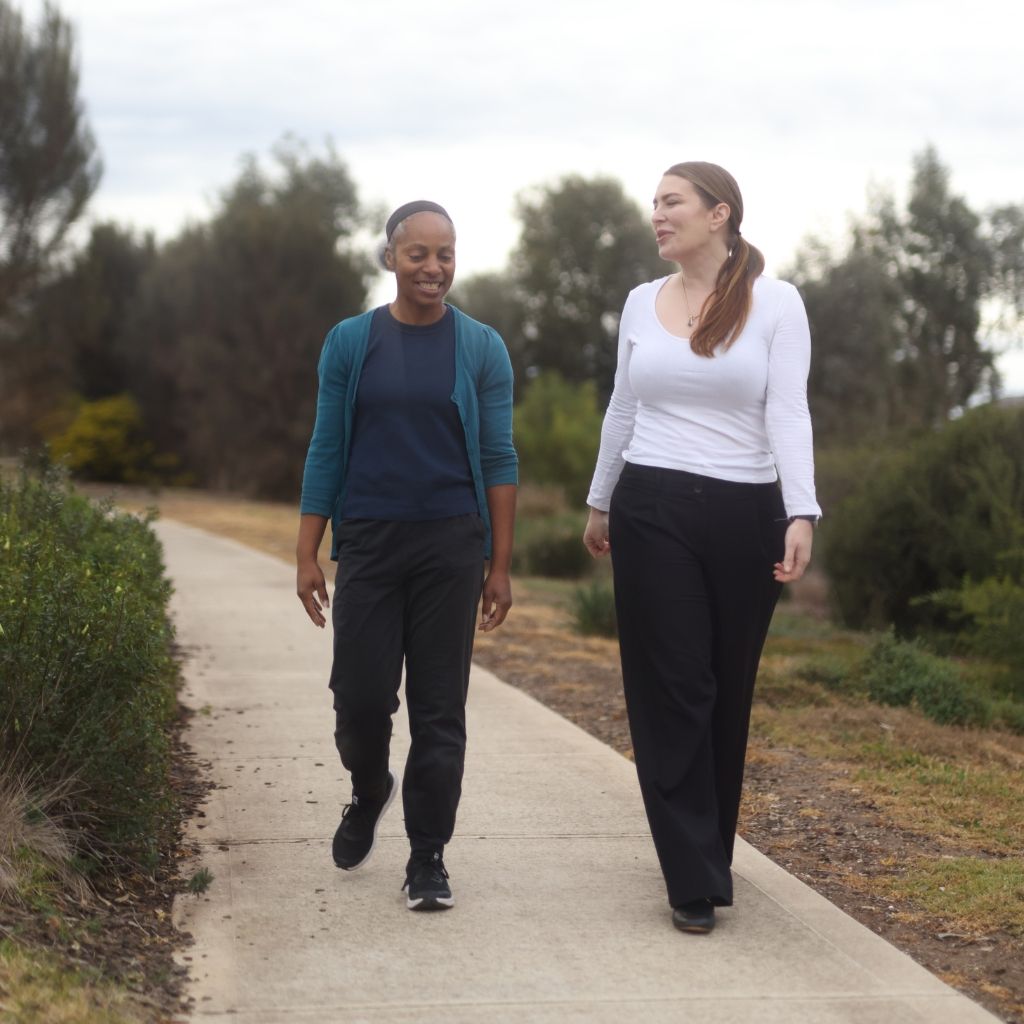
Choosing the right support starts with one question: what part of the day is hardest, and why? Sometimes the issue is physical support, sometimes it’s fatigue, sensory overwhelm, anxiety around routines, or a lack of structure. The best fit is the service model that reduces risk while still preserving your choice and control.
This support is often a strong fit for participants who:
| Situation | Best Fit | Why | Next Step |
|---|---|---|---|
| You need a safe short break, carer respite, or recovery time | STA (short term accommodation ndis) | Provides temporary stability while supports continue | Enquire with dates, support needs, and goals |
| You’re between homes and waiting for a longer-term option | MTA (medium term accommodation ndis) | A bridge option while housing is confirmed | Confirm expected timeframe + required supports |
| You want daily living support in a shared or private home | SIL pathway | Ongoing support for daily routines | Discuss roster, compatibility, and goals |
| You’re at risk of losing your tenancy | Tenancy sustainment support | Focuses on routines, obligations, and problem-solving early | Identify risks and build a stabilisation plan |
| You have very high needs and require specialised housing design | SDA pathway (where applicable) | Designed for extreme functional impairment / very high needs | Confirm eligibility signals + documentation needs |
| You need clinical supports alongside housing | Mixed supports + clinical coordination | Helps keep care consistent during transitions | Link nursing needs into the housing plan |
To connect personal routines to day-to-day home support, you may also want to review NDIS home care services
The right support worker doesn’t just “do” tasks. They reduce friction, improve safety, and help you preserve energy for what matters. Outcomes depend on the reason support is needed (mobility, cognition, mental health, sensory needs, fatigue), so we focus on identifying the real constraint first.
Common outcomes participants and families aim for include:
Where your goals include getting out more, personal activities support often works best when it’s connected to community and transport supports:
Two practical tips
Effective personal activities support depends on fit: fit to your goals, fit to your home environment, and fit to your communication style. We aim for a set-up that’s clear and respectful, so you’re not constantly correcting or re-training.
We provide support across Melbourne VIC and Sydney NSW, with scheduling built around your routine and plan needs. If you’re comparing ndis assist personal activities melbourne options or looking for ndis personal activities Sydney, the key is confirming availability that matches your week (not just “a service offered”).
Availability and scheduling
If you’re unsure whether your suburb is covered, contact us with your suburb and preferred days/times.
A provider can offer the “same service” on paper and still deliver very different outcomes in real life. The difference usually comes down to worker matching, boundaries, consistency, and how clearly the provider communicates with families and coordinators.
Questions To Ask Any Provider
Personal activities support is easier to organise when you have two things clear: (1) what outcomes you want, and (2) what support is realistically fundable and rosterable.
Support Planning Tools And References
Every support worker I’ve met from Ahsan Care has been outstanding—polite, professional and genuinely caring. I wouldn’t go anywhere else.
As a parent, nothing is more important than knowing my daughter is safe. Ahsan Care has given us peace of mind and a sense of hope.
Cleaning and home help may sound simple, but for me it’s life-changing. Their staff help me live in a clean, happy space—and that means everything.
It’s rare to find a provider that treats each person with such dignity. The carers respect my cultural needs and make me feel seen and heard.
Their transport support is always on time and so respectful. I don’t feel like a patient—I feel like a person.
I used to be overwhelmed by the NDIS process. Ahsan Care’s team helped me understand everything step by step and made sure my plan met my real needs.
I never thought I’d enjoy group activities, but now I look forward to them. Art classes, social outings – they’ve brought me confidence I didn’t think I had.
Their nursing care has been second to none. My wounds are healing faster and I feel safer knowing there’s a qualified nurse checking in every day.
The support I received during my transition to independent living was incredible. From help with cooking to just having someone to talk to, Ahsan Care made it feel like home.
Ahsan Care has been a lifeline for our family. Their carers are not only professional but genuinely kind. I can finally trust that my brother is in good hands every day.
It’s support with everyday personal routines so you can live more safely and independently. This can include help with daily hygiene routines, dressing, prompts and structure, mobility around the home, and practical routine support shaped around your preferences. The exact inclusions depend on your plan goals, your support needs, and what you want help with versus what you want to do independently.
It’s for participants who need assistance to complete personal daily routines at home and sometimes in the community. This can include people who need physical help, prompting, or structured support due to disability-related impacts like fatigue, mobility limitations, cognitive support needs, or mental health barriers. The best fit is when support improves routine consistency without removing choice and control.
Yes, support is available across Melbourne VIC and Sydney NSW, with scheduling shaped around your routine and plan needs. If you’re searching for ndis personal activities Melbourne or ndis personal activities Sydney, the most important step is confirming availability for your preferred days and times, plus the type of support you want (hands-on help, prompting, or skill-building).
Often, yes—if it aligns with your goals and funded supports. Pricing is generally aligned with the government-approved budget and the relevant NDIS pricing arrangements. What matters most is that the service matches your plan goals and is delivered within scope. If you’re unsure, we can talk through what you’re trying to achieve and how support is typically structured.
We operate with flexible hours, including 24-hour operations for participants who require support outside standard times. Availability still depends on rostering and worker capacity in your area, so the quickest way to confirm is to share your suburb, preferred days, and the time windows you need.
Where possible, yes—consistency is a common preference and it usually improves comfort and routine stability. In practice, worker consistency depends on availability, your schedule, and leave coverage. Preferences and routines should be documented so that if a change is needed, support remains aligned to how you want things done.
Inclusions commonly cover hands-on help or prompting with personal routines and daily structure, plus routine-related assistance at home. Exclusions typically include medical treatment tasks that require clinical services, and anything outside what your plan can fund or what is safe and appropriate for the role. We clarify scope before starting.
Start time depends on your location, the days/times you want, and the type of support required. Many participants can begin once intake and matching are completed and the schedule is agreed. If timing is urgent, identify the highest-need time windows first (often mornings or evenings) and build from there.
Both approaches can be used depending on your goals and needs. Some participants want hands-on help for safety and comfort, while others prefer coaching and prompting so they can do more independently over time. A practical plan often starts with stability and then shifts toward skill-building as routines become easier.
Respectful support starts with boundaries, consent, and matching the worker to your preferences. Clear communication about what help is wanted, what is not wanted, and how you prefer routines to be done makes a big difference. You should feel comfortable speaking up, and support should be adjusted quickly if something doesn’t feel right.
Yes. Ahsan Care Provider is a registered NDIS provider in Melbourne (Registration Number: 4-L7JCZ6S). You can also check registration status through the NDIS Quality and Safeguards Commission.
Yes, with your consent we can communicate with your family, nominee, or support coordinator to keep things consistent and reduce admin load. The goal is to keep the participant at the centre while ensuring scheduling, preferences, and changes are clearly understood by everyone involved.
Have a short list ready of your routine, your “must-haves” (privacy boundaries, preferred prompts, what you want to do yourself), and any safety notes for the home. If you have plan details handy, that helps speed up alignment. Even a simple one-page routine list can make matching and consistency easier from day one.
Choosing support for personal daily routines is personal, and it should feel safe, respectful, and consistent. Ahsan Care Provider focuses on clear communication, participant choice, and practical routines that fit real life across Melbourne and Sydney. We aim to reduce stress on participants and families by setting expectations early and adjusting support as goals change.
A good first step is a short conversation about your routine, your goals, and the time windows you want support. From there, we can talk through matching, scheduling, and how this service fits within your plan.
Start here: Contact Ahsan Care Provider