

Every support worker I’ve met from Ahsan Care has been outstanding—polite, professional and genuinely caring. I wouldn’t go anywhere else.
Jaspreet S., Melbourne CBD
Registered NDIS provider support
Clinical nursing support at home, built around your goals, routines, and plan funding.
NDIS nursing care is for participants who need qualified clinical help (not just day-to-day assistance) to stay safe, stable, and as independent as possible at home and in the community. At Ahsan Care Provider, our nursing approach focuses on the basics done properly: clear clinical notes, medication safety, infection control, and consistent follow-through across shifts, so your support doesn’t change depending on who’s on.
Not for you if
Enquire now: Contact Ahsan Care Provider
Good nursing under the NDIS isn’t just “a nurse visit”. It’s the right clinical task, completed safely, with the right checks (before, during, after), and documented clearly so families, coordinators, and other clinicians aren’t left guessing. The correct approach depends on your risks, the stability of your condition, your equipment, and who else is in your care team (GP, hospital outpatient, allied health).
Our NDIS nursing services may include:
If you also need daily-living help alongside nursing, we can coordinate support boundaries clearly with your team (for example, Assistance with personal activities and NDIS home care supports).

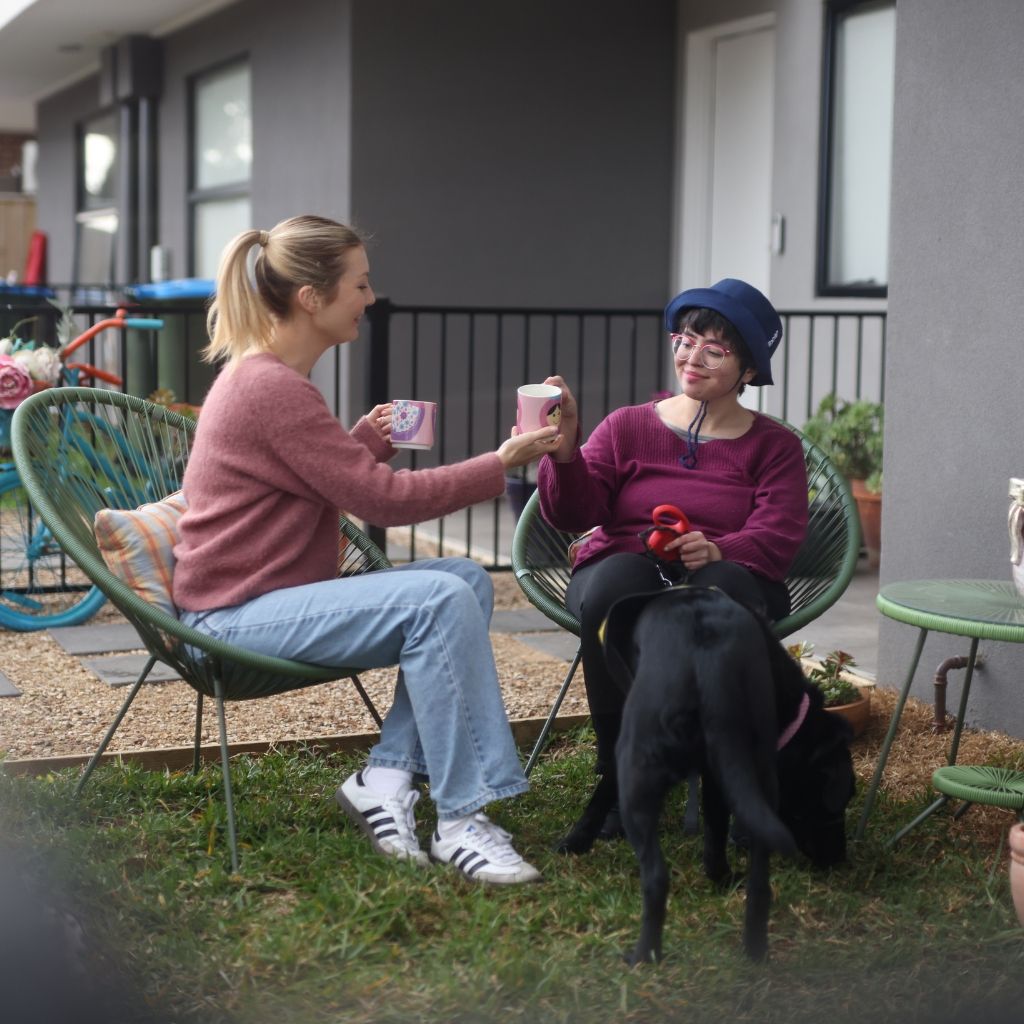
The right NDIS nursing provider is the one who matches your clinical needs and communicates well with everyone involved — you, family, support coordinator, and other clinicians. If your situation includes medication risk, wounds that need consistent care, complex health conditions, or frequent changes, nursing support can reduce avoidable incidents and help you stay steady at home.
| Situation | Best Fit | Why | Next Step |
|---|---|---|---|
| Medication errors or missed doses have happened | Regular nursing check-ins + medication system | Reduces risk through routine checks, documentation, and escalation | Share your medication list + plan goals |
| Wounds, pressure areas, skin breakdown | Scheduled wound care plan | Consistency improves healing and reduces infection risk | Arrange an assessment and dressing schedule |
| Health changes happen quickly | Nursing monitoring + clear escalation pathway | Early detection and handover reduces avoidable deterioration | Confirm GP/specialist contacts + red flags |
| Family is coordinating multiple providers | One nursing lead + structured reporting | Prevents mixed messages and duplications | Nominate who receives updates and how often |
| High support hours needed | Mixed roster (nurse + support worker) | Keeps nursing for clinical tasks; daily help handled appropriately | Map tasks by scope and funding line |
For participants with complex health needs, supports can be coordinated alongside NDIS nursing care when that aligns with the plan and clinical requirements.
NDIS nursing is often the “missing link” between daily support and clinical stability. The most common issues we see aren’t dramatic — they’re small gaps that compound: unclear medication routines, inconsistent wound care, missing documentation, and no shared plan for what happens when something changes.
Outcomes we work towards:
Insider tips (practical, not salesy):
Choosing the right nursing approach depends on your risks, your current supports, and what the NDIS funding is designed to cover in your plan. We keep the process simple but structured so you can move forward without endless back-and-forth.
(goals, needs, preferred schedule, urgency)
(plan details, relevant clinical notes you can share, medication list, current supports)
(what’s clinical, what’s daily living, what needs escalation pathways)
(frequency, routines, documentation, who receives updates)
(first shifts focus on stabilising routines and reducing immediate risks)
(adjustments if goals, risks, or funding change)
We support participants across Melbourne (VIC) and Sydney (NSW), with local availability shaped by rostering, travel time, and the clinical nature of the supports required.
24-hour operations: We operate around the clock, but the right level of coverage depends on clinical need, safety risks, and what your plan funding supports.
NAP (Head Office): 13/22 Makland Dr, Derrimut VIC 3030
If you’re comparing ndis nursing providers, focus less on broad promises and more on how the provider manages safety, documentation, and escalation. Registered providers are expected to meet the NDIS Practice Standards, and you should be able to ask direct questions about how that shows up day to day.
Questions to ask any provider
To independently verify registrations and expectations:
For incident obligations, see Reportable incidents and incident management.
When you’re planning nursing supports, these official references can help you sense-check funding, pricing rules, and what “good” looks like:
NDIS nursing is typically funded according to your plan and the NDIS pricing rules that apply to the specific support item and delivery context (weekday, evening, weekend, public holiday, etc.). Pricing is not something we “make up” — it is governed by NDIA guidance and price limit arrangements, and your plan manager or support coordinator can help confirm line items and budgets.
What affects cost and scheduling in practice:
If you want fast turnaround to get started, the quickest path is to share:
Every support worker I’ve met from Ahsan Care has been outstanding—polite, professional and genuinely caring. I wouldn’t go anywhere else.
As a parent, nothing is more important than knowing my daughter is safe. Ahsan Care has given us peace of mind and a sense of hope.
Cleaning and home help may sound simple, but for me it’s life-changing. Their staff help me live in a clean, happy space—and that means everything.
It’s rare to find a provider that treats each person with such dignity. The carers respect my cultural needs and make me feel seen and heard.
Their transport support is always on time and so respectful. I don’t feel like a patient—I feel like a person.
I used to be overwhelmed by the NDIS process. Ahsan Care’s team helped me understand everything step by step and made sure my plan met my real needs.
I never thought I’d enjoy group activities, but now I look forward to them. Art classes, social outings – they’ve brought me confidence I didn’t think I had.
Their nursing care has been second to none. My wounds are healing faster and I feel safer knowing there’s a qualified nurse checking in every day.
The support I received during my transition to independent living was incredible. From help with cooking to just having someone to talk to, Ahsan Care made it feel like home.
Ahsan Care has been a lifeline for our family. Their carers are not only professional but genuinely kind. I can finally trust that my brother is in good hands every day.
NDIS nursing care is clinical support delivered by qualified nurses to help participants manage health needs safely at home or in the community. It can include wound care, medication-related support, monitoring, and other nursing tasks aligned to your goals and risks. Registered providers are expected to meet NDIS Practice Standards for safe delivery.
Yes, medication-related support can be part of NDIS nursing when it relates to your disability support needs and plan goals. The safest approach includes clear routines, accurate records, and escalation steps if something changes, rather than relying on memory or informal handovers.
NDIS generally funds disability-related supports rather than everyday living costs like standard rent. In some cases, the NDIS may fund specialist arrangements such as SDA where eligible, while you still contribute to day-to-day living costs. The practical approach is to map what the plan funds and then build a housing option that remains sustainable month to month.
Yes, we support participants across Sydney depending on availability and the type of nursing support required. To confirm fit quickly, share your location, the key nursing tasks, and your preferred days/times. You can also view our Sydney coverage here: NDIS provider in Sydney.
Yes, we support participants across Melbourne depending on availability and the type of nursing support required. The best next step is to confirm your suburb, the nursing tasks needed, and the urgency so rostering can be checked accurately. You can also view our Melbourne coverage here: NDIS provider in Melbourne.
Yes, we support participants across Sydney depending on availability and the type of nursing support required. To confirm fit quickly, share your location, the key nursing tasks, and your preferred days/times. You can also view our Sydney coverage here: NDIS provider in Sydney.
Yes, Ahsan Care is listed on the NDIS Quality and Safeguards Commission provider register with an approved registration period in force (details can be checked on the Commission register).
You can check a nurse’s registration status on the Ahpra Register of practitioners. This is the official national register for regulated health professions, including nursing and midwifery.
Yes, wound care is a common reason participants engage nursing supports, especially when consistency matters for healing and infection risk. The approach depends on the wound type, the dressing plan, and how often reviews are required. We work to keep routines consistent across visits and document progress clearly for your care team.
We operate 24 hours, but 24/7 nursing coverage is based on clinical need, safety risks, and plan funding. If you’re seeking overnight or high-hour coverage, we’ll discuss the safest roster design and what documentation is needed to support the request with your coordinator or plan manager.
We aim for fast turnaround, with start times depending on clinical complexity, information provided, and roster availability in Melbourne or Sydney. The fastest way to commence is to share your plan type, required nursing tasks, preferred schedule, and any relevant clinical notes you can provide.
Have your plan type (self/plan/NDIA-managed), key goals, the nursing tasks required, any current medication list, and preferred days/times. If you have a support coordinator or plan manager, include their details for smoother setup. This reduces back-and-forth and helps confirm the correct supports and scheduling early.
Registered providers have obligations around incident management and reportable incidents, including having systems to manage incidents and complaints effectively. You can review the Commission guidance on reportable incidents and incident management to understand expectations and participant protections.
Pricing is guided by NDIA pricing arrangements and price limits, which explain how price controls work and how supports are claimed. Your plan budget and the support item rules determine what can be claimed, and we can help you align your service schedule to those rules.
You want nursing support that feels calm and organised — not stressful, inconsistent, or unclear. We focus on clinical routines done properly, clear communication, and support that respects your preferences, culture, and day-to-day goals. You can also see what participants say on our Participant reviews.
Additional trust content available (watch: Watch client videos)
If you’re deciding between providers, the easiest first step is a short fit check: what nursing tasks you need, where you’re located (Melbourne or Sydney), and how quickly you need services to start.
Enquire here: Contact Ahsan Care Provider