Every support worker I’ve met from Ahsan Care has been outstanding—polite, professional and genuinely caring. I wouldn’t go anywhere else.
NDIS registered provider (Registration Number: 4-L7JCZ6S). 24-hour support availability.
NDIS group activities are planned sessions where you build skills, confidence and connection with others in a supported environment. At Ahsan Care Provider, our group and centre-based activities are designed around participant goals—so you can practise daily living skills, social participation, and community routines in a way that feels safe, structured and genuinely enjoyable.
What Supports This
Not for you if
Enquire now: Talk to our team
Quick Enquiry
What You Actually Receive In A Structured Group Program
Done well, group supports aren’t “busy time”—they’re structured opportunities to practise real-life routines with the right level of prompting, accessibility, and safety. The right setup depends on your goals, support needs, the environment (centre-based vs community), and how the group is facilitated so everyone can participate meaningfully.
When you join our group and centre based activities NDIS supports, you can expect a planned experience with clear session aims, an appropriate support level, and a focus on building confidence over time—not just attending.
Typical Inclusions
- Goal-aligned sessions (social participation, daily living skills, confidence building)
- Centre-based activities (where applicable) plus community outings (where appropriate)
- Supported participation that respects individual needs within a group setting
- Activity planning that can be coordinated with your supports and routine
- Progress notes / basic participation feedback (as relevant to your supports)
Examples Of Activities People Choose
- Creative and hands-on sessions (art, craft, group projects)
- Life skills practice (cooking basics, shopping routines, planning and organisation)
- Health and wellbeing activities (gentle movement, outdoor time, group recreation)
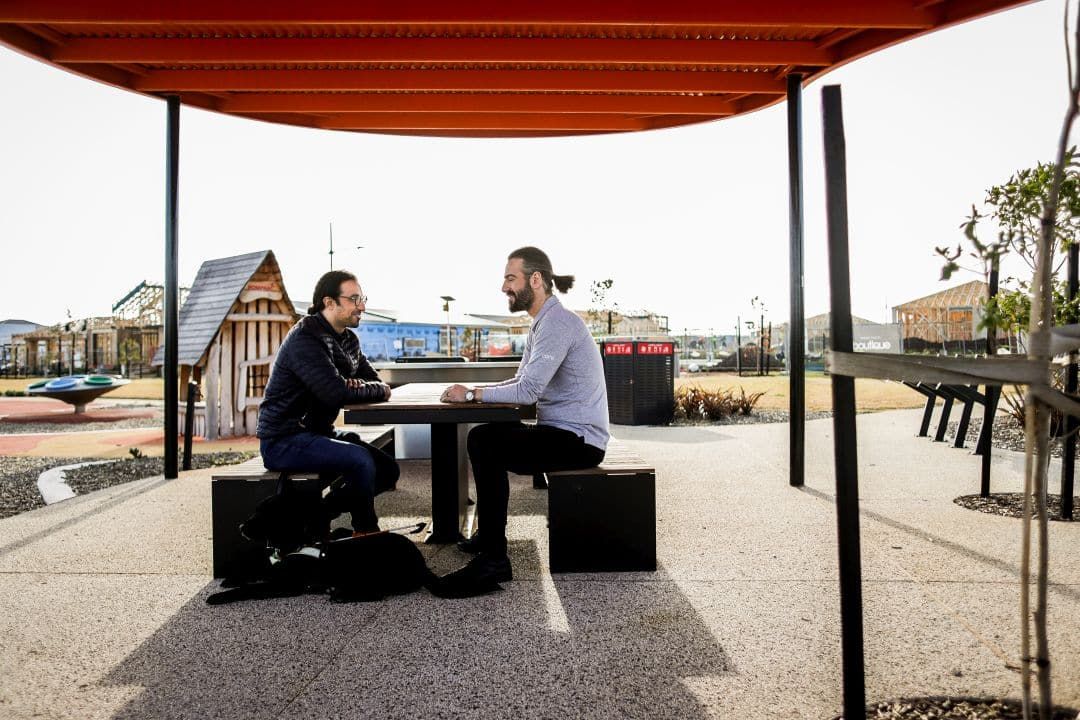
- Social connection activities (conversation practice, group games, shared interests)
- Community access experiences (local venues, events, low-pressure outings)
What It Can Look Like In Practice
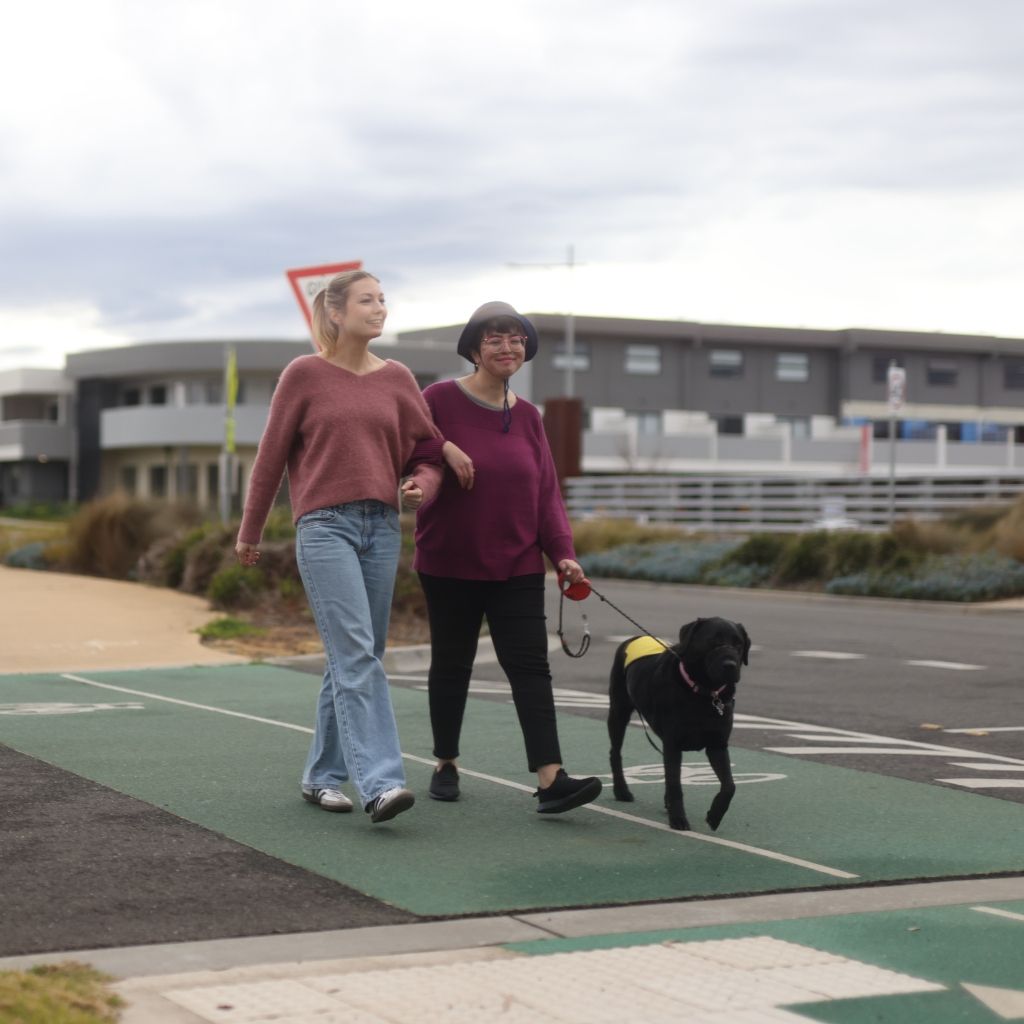
Some participants prefer predictable centre-based sessions that build routine and confidence first. Others do best with community-based activities where the “real world” becomes the practice space—transport, communication, money handling, decision-making and social interaction.
Who This Suits And When It’s The Best Fit
Choosing the right ndis group activity option is mainly about match: your goals, your support needs, and the environment that will help you participate comfortably. Group supports are often a strong fit if you want to build skills with others, practise confidence in a supported setting, or reduce isolation through regular social connection.
If you’re not sure whether group activities are suitable, we can talk through the level of support you need and whether a centre-based, community-based, or mixed approach is safest and most useful.
| Situation | Best Fit | Why | Next Step |
|---|---|---|---|
| You want to make friends and build confidence | Small supported groups | Lower pressure, shared structure | Enquire with your goals and preferences |
| You’re building daily living routines | Centre-based skill sessions | Predictability supports learning | Start with a consistent weekly time |
| You want more community involvement | Community outings with group support | Real-world practice with safety | Confirm accessibility + transport needs |
| You need higher prompting or personal care during sessions | Group program with tailored support planning | Participation stays meaningful and safe | Share support needs before joining |
| You’re new to the NDIS and unsure what’s funded | Information + plan-aligned activity options | Helps avoid mismatched bookings | Discuss plan management type |
| You need a broader support mix beyond groups | Combination supports | Group + individual supports can complement | See Assist in personal activities |
Common Barriers We Help You Move Past
People often try group activities NDIS supports and stop too soon—not because group supports don’t work, but because the structure wasn’t right. The most common barriers are unpredictability, sensory overload, unclear expectations, or a mismatch between the activity and the participant’s goals.
Our role is to make the participation part achievable: clear session structure, supportive facilitation, and practical adjustments so that the participant can stay engaged and build confidence over time.
Outcomes Participants Often Work Toward
- Building social confidence and communication in real settings
- Practising independent living skills with guidance
- Creating a weekly routine that supports wellbeing
- Increasing comfort in community environments
- Developing friendships and positive social habits
Two Insider Tips That Make A Big Difference
- Start predictable, then expand. Many people do best when they begin with a consistent time, familiar staff, and low-pressure activities—then add community outings later.
- Measure progress by participation, not perfection. Confidence grows when sessions are achievable; the “win” is showing up, trying, and gradually needing less prompting.
If your goals also include broader community access, our related support options can work alongside groups—see Participation and community support for complementary supports.
How We Onboard You Into The Right Group Setup
A good group program starts before the first session. The goal is to understand what “safe and meaningful participation” looks like for the individual—then place them into an activity style that matches their goals, preferences, and support needs.
01. Enquiry and initial chat
(goals, preferences, any non-negotiables)
02. Plan and support context
(how your plan is managed, relevant goals, session suitability)
03. Support needs check
(accessibility, communication, sensory considerations, prompting needs)
04. Program recommendation
(centre-based, community-based, or mixed approach)
05. Scheduling and confirmation
(session timing, expectations, and what to bring)
06. Start and refine
(feedback after early sessions to improve fit)
Where We Run Activities And When Sessions Are Available
We support participants across Melbourne, VIC and Sydney, NSW, with scheduling guided by participant needs and program availability. While we operate with 24-hour support availability, group sessions and centre-based activities run at planned times to keep programs consistent and safe.
Service Areas
- Melbourne VIC: activity options can be arranged across metro areas depending on program schedules
- Sydney NSW: group activities available across metro areas depending on program schedules
Availability Notes
- Program times vary by activity type and participant mix
- We’ll confirm accessibility needs and suitability before first attendance
- If you have specific timing requirements, mention it in your enquiry so we can match you appropriately
If you’d like to understand your full support options beyond group programs, you can also view our broader service list on the Services overview.
Choosing A Provider Without Guesswork
It’s normal to compare providers for ndis group activities—but the best choice isn’t about flashy activity lists. It’s about whether the provider can run sessions safely, match participants thoughtfully, communicate clearly, and follow NDIS expectations around quality and participant-centred delivery.
For registered providers, the NDIS Practice Standards outline what quality and safety should look like in practice. Reading them can help you know what to expect and what to ask. (NDIS Practice Standards)
Questions To Ask Any Provider
- How do you match participants into groups so the session works for everyone?
- What does a “typical session” look like (structure, expectations, support level)?
- How do you support someone who becomes overwhelmed or needs a break?
- What accessibility adjustments can you make (sensory, mobility, communication)?
- How do you align sessions to participant goals rather than generic activities?
- What documentation or feedback do you provide after sessions (if required)?
- How do you handle cancellations and schedule changes?
- If transport is needed, what are the options and limits?
- What’s the process if the program isn’t the right fit after starting?
Helpful Guides To Plan Your Supports
Planning goes more smoothly when you understand how group supports are described and funded within the NDIS, and how to verify provider registration when that matters for your situation.
If you’re unsure what to request, we can help you translate goals (like “make friends” or “learn cooking skills”) into a practical weekly routine that builds confidence over time.
Support Planning Tools And References
- Find a registered provider
- Group-Based Social and Community Participation guidance
- Pricing arrangements information
For internal reading on activity ideas and confidence-building, you can also browse helpful articles on activities.
What Our Clients Say
As a parent, nothing is more important than knowing my daughter is safe. Ahsan Care has given us peace of mind and a sense of hope.
Cleaning and home help may sound simple, but for me it’s life-changing. Their staff help me live in a clean, happy space—and that means everything.
It’s rare to find a provider that treats each person with such dignity. The carers respect my cultural needs and make me feel seen and heard.
Their transport support is always on time and so respectful. I don’t feel like a patient—I feel like a person.
I used to be overwhelmed by the NDIS process. Ahsan Care’s team helped me understand everything step by step and made sure my plan met my real needs.
I never thought I’d enjoy group activities, but now I look forward to them. Art classes, social outings – they’ve brought me confidence I didn’t think I had.
Their nursing care has been second to none. My wounds are healing faster and I feel safer knowing there’s a qualified nurse checking in every day.
The support I received during my transition to independent living was incredible. From help with cooking to just having someone to talk to, Ahsan Care made it feel like home.
Ahsan Care has been a lifeline for our family. Their carers are not only professional but genuinely kind. I can finally trust that my brother is in good hands every day.
Frequently Asked Questions About NDIS Group Activities
Yes, NDIS group activities can be funded when they are considered reasonable and necessary and align to your plan goals. Funding and claiming details depend on your plan management type and the specific support category. If you’re unsure, we can talk through what you want to achieve and whether group and centre-based activities suit your goals.
Group and centre-based activities are structured sessions delivered in a group setting (often at a centre and sometimes out in the community). Community participation support is broader and may focus on helping you access community events, appointments, or social settings. Many participants use both, depending on goals and routines.
Yes, we support participants in both Melbourne VIC and Sydney NSW. Availability depends on the type of activity, session scheduling, and participant suitability for the group. Share your suburb and preferred days/times in your enquiry so we can confirm the best option.
We match participants based on goals, preferences, support needs, accessibility considerations, and how the group is facilitated. The aim is to keep sessions safe and meaningful for everyone—so the participant can participate comfortably, not just “attend.”
You can still be considered for group supports if you need extra prompting or assistance, but it needs to be planned properly. We’ll discuss your support needs upfront so we can recommend the safest option, and confirm whether additional arrangements are needed for meaningful participation.
Yes, with participant consent, we can include support coordinators, family, or carers in planning discussions. It often helps to align group activities with goals, routines, and existing supports so the program feels consistent and achievable.
Start times depend on session availability and the information we need to match you well. We aim for a fast turnaround and work efficiently to help you get on board, but we won’t rush the matching step if it risks poor fit or avoidable stress.
We operate with 24-hour support availability, but group activities run at scheduled times for consistency and safety. If you need evenings or weekends, mention it in your enquiry and we’ll let you know what’s currently available.
Bring anything you need to feel comfortable and supported—such as a drink bottle, sensory supports, mobility aids, communication devices, or personal items. If an activity needs specific items, we’ll tell you in advance so you can arrive prepared and relaxed.
Pricing is based on the government-approved NDIS pricing arrangements and how supports are delivered and claimed. Your plan management type and the support item used can affect how sessions are booked. We can explain the general approach in plain language once we understand your situation.
Yes, if the activity isn’t the right fit, we’ll talk through what didn’t work and adjust the plan. Sometimes a different group style, a different session time, or a slower step-up approach makes a big difference to confidence and comfort.
Possibly, depending on where you live in Melbourne or Sydney and what sessions are currently running. Tell us your suburb, transport needs, and preferred days, and we’ll confirm whether there’s a suitable option or an alternative approach that still meets your goals.
Yes, group activities can be very effective for building social skills when they’re structured well and matched to the participant. We focus on achievable participation, gentle confidence-building, and positive routines—so social connection becomes more natural over time.
Why Choose Ahsan Care Provider
Ahsan Care Provider is a registered NDIS provider focused on supporting participants through structured, participant-centred supports that build confidence and real-life skills. We prioritise suitability and safety, and we work to align group sessions to goals so the experience is meaningful—not generic. You can learn more about our approach and values on the About Ahsan Care Provider page.
- Registered NDIS provider (4-L7JCZ6S)
- Supports available across Melbourne VIC and Sydney NSW
- Programs designed around participant goals and preferences
- Clear intake and matching to support safer participation
- Flexible support availability (session times scheduled)
- Participant-focused communication for families and coordinators
- Additional service options if your needs change over time
To see more of how we support participants, you can also watch participant-focused videos.
Next Steps To Join A Group Program With Confidence
The easiest way to start is to tell us your goals, preferred days/times, suburb, and any support needs that matter (mobility, sensory, communication, prompting). We’ll recommend the most suitable group setup and confirm availability in Melbourne or Sydney.
Use the Quick Enquiry form on this page, or
Contact Ahsan Care Provider